
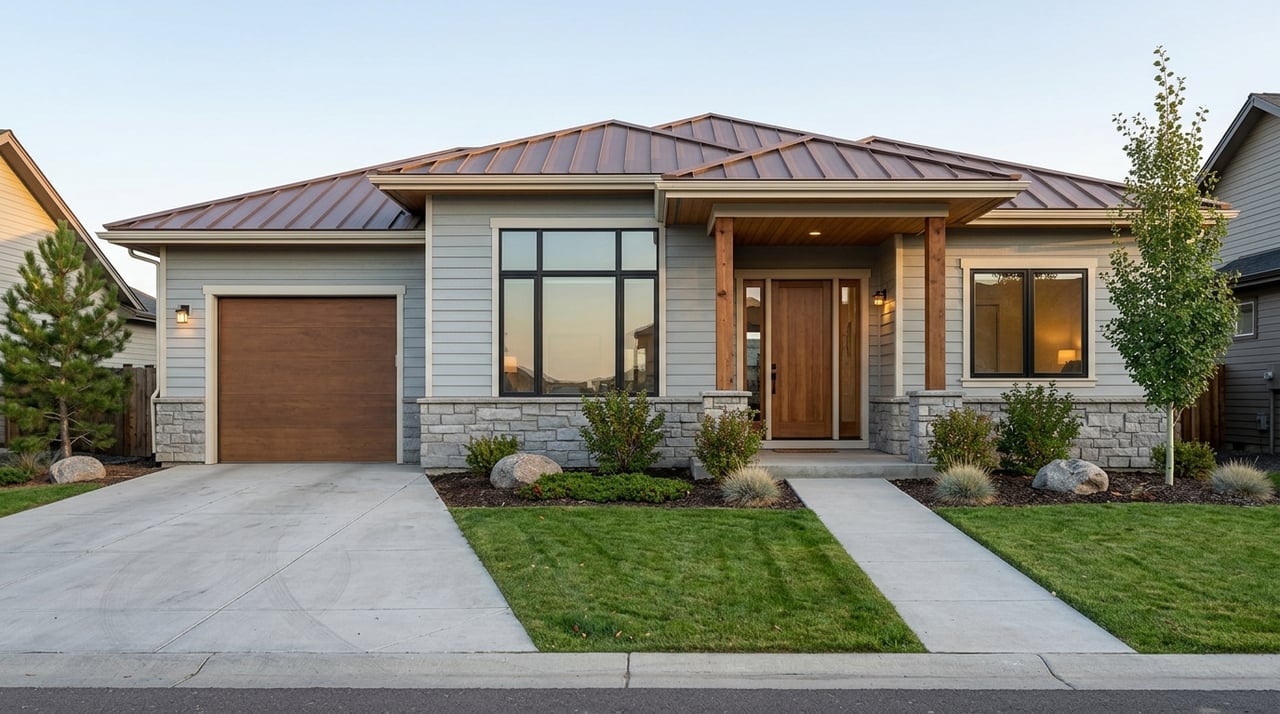
If you are moving to Bozeman, choosing a neighborhood is really about choosing how you want your days to feel. Do you picture walking to downtown, hopping on a zero-fare bus, heading straight to a trail after work, or having a little more breathing room on the edges of town? In Bozeman, those trade-offs are real, and understanding them can help you narrow your search with more confidence. Let’s dive in.
Why neighborhood choice matters in Bozeman
Bozeman is organized around lifestyle patterns as much as geography. The city formally recognizes neighborhood associations, and its planning, transportation, and parking systems reflect the way people balance walkability, commuting, trail access, and parking.
That matters because two homes with similar square footage can support very different daily routines depending on where they sit. In a fast-growing region like Gallatin Valley, your neighborhood decision often shapes how often you drive, how easily you reach open space, and how connected you feel to the places you use most.
Start with your daily priorities
Before you compare neighborhoods, it helps to get clear on your non-negotiables. In Bozeman, most buyers are weighing a few core lifestyle factors.
Downtown access and walkability
If you want to be close to Main Street energy, the historic core offers the strongest connection to shops, dining, and the city’s traditional center. The Gallagator Trail also runs through the city center and is commonly used for getting to downtown or Montana State University.
This part of Bozeman tends to appeal to buyers who want an urban feel by local standards. You may trade some ease of parking for stronger walkability and quicker access to the heart of town.
Transit and commute convenience
Bozeman has a practical transit option that changes the equation for some buyers. Streamline is zero-fare and runs four in-town routes, connecting places like MSU, downtown, west Bozeman, Bozeman Health, Ferguson Farms, the Gallatin Valley Mall, and the north shopping area.
If you want to drive less, central and west-side neighborhoods may feel more workable than you would expect in a smaller mountain city. Commute patterns here are often about route access and daily stops, not just straight-line distance.
Trail and outdoor access
Many buyers choose a neighborhood based on how quickly they can get outside. South-side areas often appeal to people who want easier access to Sourdough and Hyalite, while northeast areas are often tied to Story Mill, the Path to the M, and routes toward Bridger recreation.
On the west side, buyers often focus on neighborhood parks and trail links like the Westside Trail. If hiking, biking, or daily walks are part of your rhythm, this factor deserves as much weight as the house itself.
Home age and neighborhood character
Bozeman’s housing feel changes from one area to another. In and around the historic core, you will find more older homes and established neighborhood patterns, including bungalow-era and other historic residential styles.
In central neighborhoods like Jandt, the city describes the area as post-war bungalow homes with yards, sidewalks, and low traffic. On the west and south edges, the feel often reads as more planned and newer, shaped in part by newer park and trail investments.
Downtown and historic core living
Official neighborhood names in this part of Bozeman include Bogert Park, Cooper Park, South Central, Jandt, Marwyn-Lindley, and Midtown. These areas are a natural fit if you want the closest tie to Main Street, older home character, and the most walkable setting Bozeman offers.
The city’s historic preservation framework is especially important here. The Neighborhood Conservation Overlay District covers more than 4,000 properties and nine National Register historic districts, and exterior changes within the district require review.
That does not make these neighborhoods harder or better. It simply means buyers who love historic character should also be prepared for preservation standards that help protect neighborhood appearance over time.
What this area fits best
This zone may be a strong match if you want:
- Easy access to downtown Bozeman
- Older homes with established character
- A more connected, on-foot daily routine
- Proximity to the Gallagator Trail
What to think about carefully
Parking is a real part of life near the core. Downtown on-street parking allows two hours free, garage parking also allows the first two hours free, and the city manages garage and lot permits.
Near central areas, residential parking permit districts around MSU and Bozeman High were created to help reduce congestion. If parking ease is high on your list, you will want to weigh that against the convenience of central location.
Central Bozeman and MSU convenience
If you want to stay close to downtown without being fully in the historic core, look at University, Valley Unit, and Kirk Park. These neighborhoods are useful starting points for buyers who want practical access to Montana State University, downtown, and the corridor stretching west.
The University neighborhood borders MSU, which makes it especially relevant for buyers who want academic or campus adjacency as part of their routine. Transit also reinforces this area’s convenience, with multiple Streamline routes supporting everyday movement across town.
Why buyers choose this zone
This part of Bozeman can make sense if your priorities include:
- Quick access to MSU
- Straightforward downtown trips
- Better transit flexibility
- A central location without always being in the busiest historic blocks
For many buyers, this is the middle ground. You still get strong access to town centers and services, but your day-to-day rhythm may feel a little more practical and less tied to downtown parking dynamics.
Northeast Bozeman and Bridger access
If your ideal Bozeman day starts with trail shoes in the car or a view toward the mountains, the northeast side deserves a close look. Official neighborhood names here include Northeast and Bridger Creeklands.
This part of town stands out for recreation-oriented access. Story Mill Community Park sits on Bridger Drive, and the Path to the M connects Story Mill, Glen Lake Rotary Park, the College M trailhead, and Drinking Horse.
Drinking Horse is described as about a 10-minute drive from downtown Bozeman, which helps show the balance here. You are not far from town, but the lifestyle emphasis leans more toward trail-first living than immediate Main Street walkability.
Who this area often suits
This zone may fit best if you want:
- Easier access toward Bridger recreation
- Proximity to Story Mill and connected trail systems
- A neighborhood choice shaped by outdoor routine
- Less focus on walking directly to downtown destinations
For many buyers, this is where Bozeman starts to feel especially tied to the surrounding landscape. It can be a great fit if outdoor access is part of your weekly routine, not just an occasional bonus.
West Bozeman and newer neighborhoods
For buyers who want a newer-planned neighborhood feel, Valley West & The Lakes is one of the clearest official areas to watch. The west side is strongly shaped by parks, trails, and practical connections across the broader shopping and service corridor.
Valley West Park includes trails, playgrounds, a pond, and a pavilion. The Lakes at Valley West Park includes park pavilions and a playground, and Westlake Park is home to BMX and mountain bike club tracks.
The Westside Trail connects Bozeman Pond Park, the mall area, and northbound trail links to West Winds Park and Gallatin County Regional Park. Streamline’s Goldline and Brownline are especially relevant here, helping tie west Bozeman back toward other parts of town.
Why west side living stands out
Many buyers are drawn here for:
- Newer neighborhood planning
- Strong park and trail amenities
- Access to west-side shopping and services
- Practical transit connections
Airport convenience can also matter here. Bozeman Yellowstone International Airport is in Belgrade, so buyers who travel often may find west-side living especially practical for day-to-day logistics.
South Bozeman and Hyalite-facing areas
South-side neighborhoods to know include Bozeman Creek, Figgins Addition, and New Hyalite View. These areas often appeal to buyers who want a quieter, more recreation-oriented setting with easier access to south-side open space.
The Sourdough Trail is described as a favorite for people who live on the south side of Bozeman. It follows Bozeman Creek and passes Graf Park, Gardner Park, and Tuckerman Park, giving this part of town a strong connection to everyday outdoor use.
New Hyalite View also includes city linear parks and trail planning, and Hyalite Recreation Area sits south of Bozeman in Hyalite Canyon. If your ideal lifestyle includes regular south-side hiking access, this zone deserves serious consideration.
What buyers like about the south side
This area may be a strong fit if you want:
- Access toward Sourdough and Hyalite
- A more residential day-to-day feel
- Park and trail connections built into your routine
- Some separation from downtown intensity
A quick shortlist by lifestyle
If you want to simplify your search, start here.
Best for downtown energy
- Downtown
- Bogert Park
- Cooper Park
- South Central
- Midtown
Best for MSU and central convenience
- University
- Valley Unit
- Kirk Park
- Midtown
Best for Bridger and north trail access
- Northeast
- Bridger Creeklands
- Story Mill corridor
Best for south-side outdoor access
- Bozeman Creek
- Figgins Addition
- New Hyalite View
Best for newer west-side living
- Valley West & The Lakes
How to make the right choice
The best Bozeman neighborhood for your lifestyle is the one that supports your normal Tuesday, not just your ideal Saturday. A charming historic street may lose its appeal if parking feels stressful every day. A west-side home may become the right answer if parks, transit, and airport access make your week run more smoothly.
When I help buyers narrow the map, we focus on real habits first. Where do you need to go most often? How much do you want to walk, drive, or ride? Do you care more about downtown energy, trail access, home character, or easier logistics?
Once those answers are clear, the right neighborhood usually comes into focus much faster. If you want help comparing Bozeman neighborhoods in a way that matches your routine, your goals, and the kind of Montana life you actually want to live, Bessie Hudgens is here to help.
FAQs
Which Bozeman neighborhoods are best for walkability and downtown access?
- Downtown, Bogert Park, Cooper Park, South Central, and Midtown are the strongest options for buyers who want close access to Main Street and a more walkable daily routine.
Which Bozeman neighborhoods are most convenient for Montana State University?
- University, Valley Unit, Kirk Park, and Midtown are useful areas to consider if you want easier access to MSU, downtown, and central transit routes.
Which Bozeman neighborhoods are best for trail and outdoor access?
- Northeast and Bridger Creeklands are strong options for Bridger and Story Mill area access, while Bozeman Creek, Figgins Addition, and New Hyalite View are good areas to consider for Sourdough and south-side recreation.
Which Bozeman neighborhood is best for newer homes and planned amenities?
- Valley West & The Lakes is one of the clearest west-side areas for buyers who want a newer neighborhood feel with parks, trails, and practical access to services.
What should buyers know about parking in central Bozeman neighborhoods?
- Downtown on-street parking allows two hours free, downtown garage parking includes the first two hours free, and residential parking permit districts exist around MSU and Bozeman High to help reduce congestion.
Which Bozeman neighborhoods may work best for frequent airport travel?
- West Bozeman areas can be practical for frequent flyers because Bozeman Yellowstone International Airport is located in Belgrade, making west-side living a convenient option for some buyers.