What does a normal Tuesday feel like in Bozeman? Picture crisp mountain air, a quick drive or bike to work, and dinner outside after a trail run when summer light lingers. If you are weighing a move, you probably want the real rhythm, not a glossy postcard. This guide walks you through daily life here, from commutes and neighborhoods to seasons and outdoor routines, so you can decide if the pace and place fit your goals. Let’s dive in.
The daily rhythm in Bozeman
Mornings: coffee, commute, school drop-offs
Most days start early. Cafés fill with students and professionals on laptops, and you see bikes and dogs everywhere. Bozeman is car-oriented, but many in-town drives feel short. Expect more congestion on key routes during peak hours, especially along Kagy and North 7th. Downtown parking is a mix of meters and free time limits, and it gets busier during events.
If you live near the historic core or south of Main, walking or biking for short trips is common. Side streets and multi-use paths help you skip some traffic, especially around the university.
Midday: work, errands, and trail breaks
Work life spans the university, healthcare, trades, and an emerging tech scene. Montana State University brings a steady flow of daytime activity, lectures, and sporting events that ripple through town. Quick errands are easy along the north and south corridors where grocery and big-box retail cluster. On bluebird days, you will see people squeeze in a lunch walk or a short ride on nearby paths.
Healthcare is close at hand. Bozeman Health Deaconess anchors regional services, with specialty providers throughout the city.
Evenings and weekends: downtown and outdoors
After work, trails and parks come alive. In summer, late light and cool evenings make after-dinner bike rides or dog walks a habit. Breweries and patios fill up, and the downtown core hums with live music, galleries, and restaurants.
Weekends swing with the seasons. Winter leans into skiing, snowshoeing, and cozy dinners. Summer stacks up with farmers markets, festivals, and river days. University games and visiting friends and family keep hotels and restaurants busy during peak times.
Getting around: commute, parking, transit
Car-first city with short hops
Bozeman’s layout means many daily trips are 15 to 30 minutes, but growth has added pressure at rush hour. If you commute across town or from nearby communities, plan a buffer for peak periods and winter driving.
Bike and walk options
Multi-use paths and bike lanes connect key areas. Downtown, the college district, and close-in neighborhoods make walking practical for errands and meals. Winter traction and snow removal are part of the routine, so bikes and boots adapt with the seasons.
Transit for select trips
Local transit offers fixed routes within the valley. Service continues to improve, but it may not replace a car for most households. The City’s transportation resources outline plans and connections across town. You can explore official updates on the City of Bozeman site.
Neighborhood snapshots
Downtown and near-downtown
The historic core is compact, lively, and walkable. You will find older homes, condos, and apartments mixed with restaurants, venues, and shops. Expect less private parking and smaller yards. The upside is the ability to step out your door for food, music, and community events.
College district and south of Main
Close to MSU, this area blends student rentals, apartments, and long-term homes. Daytime energy is high during the school year. You are close to campus amenities, events, and sports, and you will notice parking and traffic ebb and flow with the academic calendar.
North Bozeman’s newer neighborhoods
Newer subdivisions have parks, sidewalks, and modern homes. Daily life here feels organized around schools, playgrounds, and quick drives to grocery and services. Streets and infrastructure reflect more recent planning, and homes often have garages and off-street parking.
South Bozeman, Four Corners, and Bridger approaches
As you move south and toward the Bridgers, neighborhoods transition from suburban to more rural. Lots tend to be larger, and trailheads are closer. The trade-off can be longer errands and a bit more driving. Winter road conditions vary, especially on steeper or shaded stretches.
Outlying communities
Belgrade, Manhattan, and the Big Sky valley offer different price points and property types. Many people commute in for work or school. Belgrade’s airport access is a draw, and the broader valley has a mix of rural parcels, in-town neighborhoods, and resort-adjacent properties.
Seasons you live with
Winter: snow, routines, and weekend turns
Winters are cold with regular snow. Snow removal, winter tires, and a backup plan for storm days are standard. The flip side is access to winter recreation that shapes social life and weekends. You will notice a calm, steady rhythm to winter weekdays and a surge toward the mountains when fresh snow hits.
Summer: warm days and cool nights
Summer tends to be warm and dry, with comfortable evenings that invite outdoor dining and late walks. Some summers bring wildfire smoke that affects air quality. Many households invest in simple filtration and choose active hours when air quality is best.
Shoulder seasons: fast-changing skies
Spring and fall can swing quickly from sun to snow. Layers live on your coat rack, and weekend plans stay flexible. These seasons are often local favorites for quieter trails and downtown events.
Outdoor access in your week
Trails and parks close to home
Many neighborhoods sit a short drive or bike ride from trailheads and greenways. Trail culture is active and welcoming, with regular volunteer days and posted etiquette. To plan nearby options, use the City’s parks and pathways resources on the City of Bozeman site.
Rivers and water days
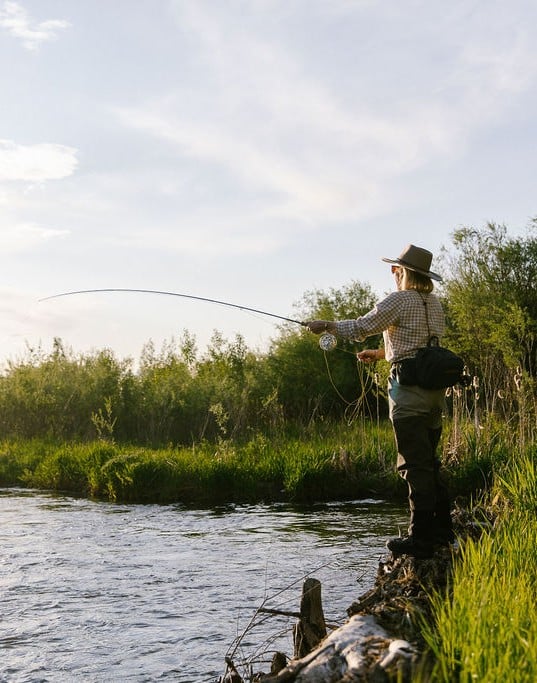
The Gallatin and East Gallatin rivers and the Hyalite area are popular for fishing, paddling, and cooling off. Expect busier parking on hot weekends. A simple post-work routine might be a short bank walk with a dog or a quick cast at dusk.
Ski weekends and event season
Ski season shapes travel and dining patterns, with busier corridors on storm days and weekends. Summer events, markets, and university sports bring waves of energy downtown. Planning ahead for parking and dinner reservations helps.
Everyday services and essentials
Groceries, errands, and healthcare
Grocery and retail hubs sit on the north and south corridors, with smaller markets sprinkled into neighborhoods. Pharmacies, fitness studios, and everyday services are easy to reach by car. For medical needs, Bozeman Health and allied providers cover most routines locally.
Schools and the university influence
Bozeman Public Schools serve K through 12. Capacity and enrollment can vary by area as the city grows, so families often confirm assignments early in the move process. MSU’s presence shapes rental demand, seasonal activity, and cultural offerings citywide.
Relocation practicalities
Housing market at a glance
Demand has been strong in recent years. Inventory varies by neighborhood and property type, and competition can rise near trail access or the historic core. If you are early in your search, it helps to define must-haves and nice-to-haves and get clarity on HOA fees and utility costs that vary by subdivision.
Jobs, remote work, and commute reality
Employment centers include the university, healthcare, construction, trades, tourism, and a growing startup and outdoor business scene. Remote workers find the airport and broadband access helpful, while daily commuting still revolves around the main corridors. Plan for thicker traffic at traditional rush hours and during major events.
Winter prep and home maintenance
Snow and ice are part of homeownership here. Understand your street’s plow schedule and who handles your sidewalk. Consider an HVAC filter routine for summer smoke days and basic winterization to protect pipes and driveways.
Air travel and connections
Bozeman Yellowstone International Airport sits in nearby Belgrade and offers a mix of year-round and seasonal direct flights to major hubs. Schedules expand during peak visitor months, which is convenient for frequent flyers and out-of-town guests.
County and city services
Gallatin County and the City of Bozeman offer planning, permitting, and service updates that shape growth and neighborhood changes. For official information, start with Gallatin County and the City of Bozeman.
How Bozeman feels, summed up
Bozeman blends a small-city core with quick access to mountains and water. Daily life moves at a steady, outdoor-forward pace, and the university brings energy that changes with the seasons. You will balance short drives with occasional rush-hour slowdowns, trade bigger yards for walkability near downtown, and build routines around the weather and weekend plans.
If you want a grounded guide who can translate these trade-offs into the right home and neighborhood fit, you will benefit from local insight and calm coordination. When you are ready to compare areas and plan next steps, connect with Bessie Hudgens.
FAQs
Is Bozeman walkable day to day?
- Downtown and nearby streets are walkable for errands and dining, while most residential areas remain car-oriented for daily routines.
Do I need a car in Bozeman?
- Most residents rely on a car for work and errands; transit and bikes help for select trips, especially near the university and downtown.
How long are typical commutes in Bozeman?
- Many in-city trips feel short, often 15 to 30 minutes, with slower peak-hour traffic on corridors like Kagy and North 7th.
What is winter like in Bozeman?
- Expect regular snow, cold temperatures, and normal winter driving; residents prepare with snow removal plans and winter-ready vehicles.
How close are trails and rivers to Bozeman neighborhoods?
- Many neighborhoods sit a short drive or bike ride from trailheads, and river access points are popular for quick evening or weekend outings.
What should out-of-state buyers know about Bozeman’s housing market?
- Demand is strong and varies by area and property type, so it helps to define priorities early and monitor inventory with local guidance.
How convenient is air travel from Bozeman?
- The region’s primary airport in Belgrade offers year-round and seasonal direct flights to many hubs through Bozeman Yellowstone International Airport.