
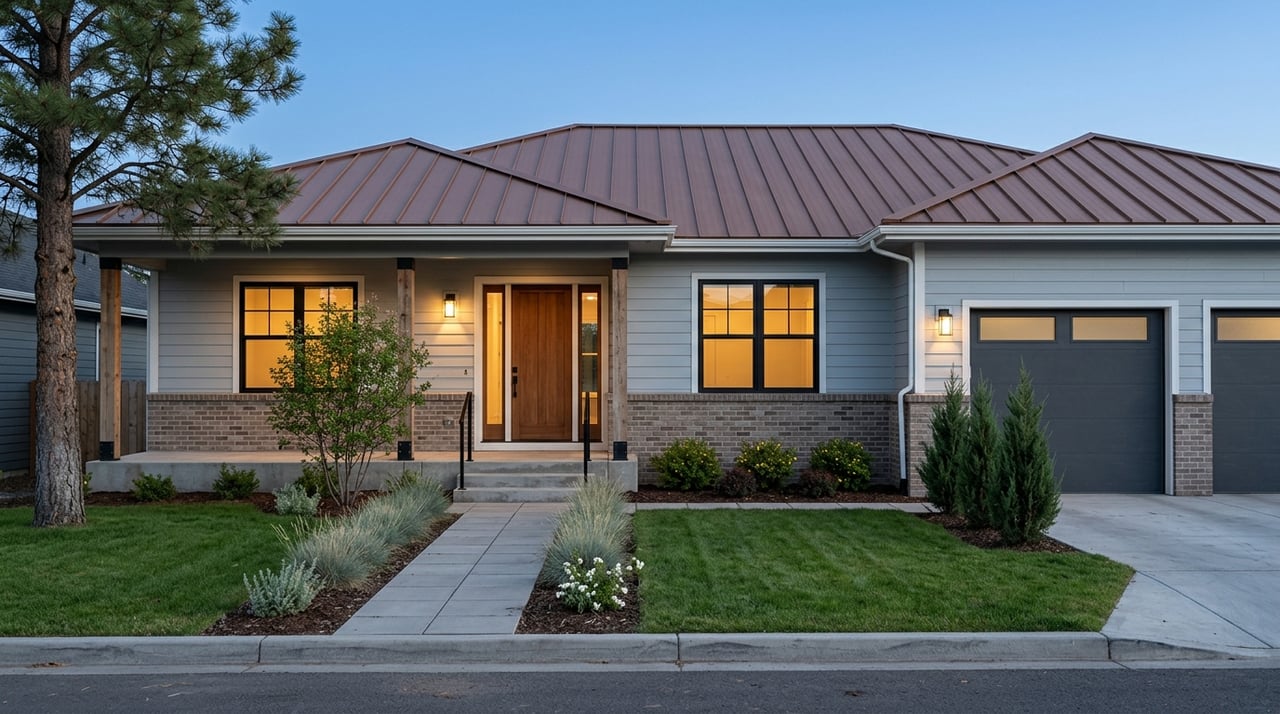
If you are searching for a new construction home in Bozeman, you are not just choosing paint colors and floor plans. You are also choosing a neighborhood, a timeline, a set of city requirements, and a monthly budget that may look different from resale. That can feel like a lot to sort through, especially if you are relocating or trying to compare several areas at once. This guide will help you understand where new neighborhoods are taking shape in Bozeman, what kinds of homes you are likely to find, and what to watch for before you sign a contract. Let’s dive in.
Where new construction is growing in Bozeman
Bozeman’s new-construction market continues to evolve as the city processes projects through its fully digital project information portal. That matters because many of today’s opportunities are tied to active subdivision and site-plan approvals, not just finished homes ready for move-in.
The broader planning picture also affects what buyers see on the ground. Bozeman has a new Unified Development Code set to take effect on February 1, 2026, updated landscape and irrigation standards already in effect, a building-code update expected in mid-2026, and impact fees that are updated annually and collected at permit issuance. The city’s community development planning resources also show continued demand for housing, with 1,777 affordable units built, under construction, or in the pipeline since 2022.
West Bozeman neighborhoods to watch
Northwest Crossing
Northwest Crossing is one of the clearest west-side growth areas to keep on your radar. Located southwest of Baxter Lane and North Cottonwood Road, Phase 2 proposed dividing five restricted development lots into 264 developable lots along with stormwater improvements, open space, a city park, easements, and right-of-way, according to the city’s public project record for Northwest Crossing.
The city later approved a Phase 2.2 final plat in 2025, which signals continued forward movement. For you as a buyer, this means the west side may offer some of the more visible new-neighborhood momentum in Bozeman, with the kind of planned infrastructure and open-space components many buyers want in a newer subdivision.
South Bozeman neighborhoods taking shape
Gran Cielo
Gran Cielo is another notable area for newer homes on the south side of Bozeman. Near Cielo Way and South 31st Avenue, a 2025 preliminary plat sought to split Block 4 into seven lots for residential single-household uses, based on the city’s Gran Cielo project materials.
The city also lists Gran Cielo Park at 3003 S 27th Ave. That is a helpful reminder that some of Bozeman’s newer subdivisions are being planned alongside nearby park space, which can shape how a neighborhood feels day to day.
New Hyalite View
New Hyalite View is an official Bozeman neighborhood association, which points to an established and still-active south-side neighborhood area. The city’s neighborhood associations program confirms that status, while city facility listings reference New Hyalite View Linear Parks & Trails at Highland Boulevard and Holly Drive.
The Parks Department also lists Cedarview Park planning in the neighborhood. For buyers, that suggests ongoing neighborhood buildout with connected public-space elements such as trails and parks, which can be an important part of how a newer area functions over time.
Not all new construction is for-sale housing
Hidden Creek
If you are tracking all new development in Bozeman, it helps to know that not every project is aimed at the for-sale market. At 1221 West Durston Road, Hidden Creek received city approval for a preliminary plat on a 9.82-acre R-4 tract to facilitate future affordable housing development, and the final plat was later approved in January 2026.
City and county information tied to the project indicates 182 LIHTC apartments. In practical terms, this is a useful reminder that Bozeman’s new-construction pipeline includes a mix of ownership and rental-oriented housing, which shapes overall supply and neighborhood growth across the city.
What types of new homes to expect
If you picture new construction as only detached single-family homes, Bozeman’s development mix is broader than that. A city memo comparing developments shows a range that includes townhomes, single-family pocket neighborhoods, leased single-family residences, townhome subdivisions, and condominium subdivisions, as outlined in this Bozeman development comparison memo.
That variety can be helpful if you are trying to match your budget, maintenance preferences, and ownership goals. It also means you should compare communities carefully, because one new neighborhood may offer a very different living setup than another, even if both are marketed as new construction.
HOA costs can affect your budget
Monthly ownership costs in newer communities may include more than your mortgage, taxes, and insurance. The same city memo shows HOA fees ranging from $65 per month in one townhome subdivision to $200 to $361 per month in a pocket-neighborhood example, with amenities such as parks, trails, and clubhouse space often included.
That does not automatically make one option better than another. It does mean you will want to look closely at what the HOA covers, how it affects your monthly budget, and whether the amenities line up with how you plan to use the home.
Spec homes versus custom builds
One of the biggest questions in Bozeman new construction is whether you want a spec home, a semi-custom home, or a more customized build. Based on the city’s current planning pipeline, buyers looking for a fully custom build may find fewer lot-only opportunities than buyers shopping for spec or semi-custom homes, because many active projects are moving through subdivision and site-plan approvals rather than being sold as raw lots.
That distinction matters early. If your priority is speed and simplicity, a spec home may offer a more predictable path. If your priority is tailoring finishes or layout choices, you will want to ask careful questions about how much flexibility is actually available and when those selections must be finalized.
How Bozeman’s approval process affects timelines
Bozeman’s digital planning system gives buyers a clearer window into how projects move forward. The city says planning applications are submitted digitally and become visible in the portal once they are deemed adequate, and its infrastructure review roadmap runs from concept and preliminary review through final review, pre-construction, engineering permits, construction, close-out, and a two-year warranty walk-through, according to the city’s project portal and review overview.
For final routing and occupancy, the city says single-family homes, townhomes, and duplexes within site-plan subdivisions must complete final routing before occupancy. It also estimates 3 to 4 weeks from an occupancy request to a certificate of occupancy, while improvements agreements average 2 to 3 weeks to process.
For you, this means a home that looks nearly done may still need city sign-off before closing and move-in. If you are coordinating a relocation, lease ending, or sale of another property, those last steps matter.
Why change orders can slow a closing
Buyers often assume they can make plan changes late in the process without much impact. In Bozeman, the city notes that changes from an approved planning application require a modification application before final routing begins, as described in this city guidance on plan modifications and final routing.
That is especially important if you are choosing between a spec home and a semi-custom option. Design changes, exterior revisions, or other approved-plan adjustments may affect review timing, final sign-off, and ultimately your move-in date.
Fees and costs to understand early
Bozeman’s FY26 fee schedule includes separate charges for subdivision preliminary plats, final plats, site plans, annexations, and other reviews, while impact fees are due at building-permit issuance. The city also notes that transportation impact fees can sometimes be deferred until certificate of occupancy, according to the FY26 fee schedule.
While many of these costs are handled by developers and builders, they still influence the final price of new homes and the pace of development. As a buyer, it is worth asking what is already included in the purchase price and what might show up separately as part of upgrades, lot premiums, HOA setup, or closing costs.
Inspections and warranties still matter
A new home is still a home that needs careful review. The Consumer Financial Protection Bureau recommends scheduling an independent home inspection as soon as possible, because even new homes can have defects and lenders may require repairs before closing.
If you are using FHA financing, HUD says Form HUD-92544 is required on all FHA-insured new construction, and HUD guidance states the builder warranty runs for one year after title transfer or first occupancy, whichever comes first. HUD also notes that manufacturers’ warranties should cover systems and appliances where applicable, as detailed in the HUD single-family housing policy handbook.
In plain terms, do not skip your due diligence just because the home is brand new. An inspection, a clear understanding of warranty coverage, and a written list of included features can help you avoid surprises after closing.
Landscaping rules matter in Bozeman
One of the more overlooked parts of new construction in Bozeman is the exterior. The city’s Water Efficient Landscape Ordinance and new development standards require all new construction to follow landscape and irrigation rules, and those requirements vary by project size.
Smaller new-household, townhome, duplex, triplex, and fourplex projects can use a simpler self-certification path. Larger site-plan projects must submit full landscape and irrigation plans and complete a pre-installation meeting.
The city says Bozeman is drought-prone, outdoor watering accounts for 50% of annual residential water use, and homes built in the last decade apply more than twice as much water to landscapes as older homes. On top of that, permanent watering restrictions apply to overhead spray irrigation, with watering days based on odd or even address and a 45-day establishment exception for new sod or seed.
For buyers, this means outdoor choices are not just cosmetic. Irrigation design, landscaping plans, and certain exterior upgrades can affect approval timing, ongoing utility use, and how you maintain the home after move-in.
How to compare new construction options
When you compare Bozeman new construction neighborhoods, it helps to look beyond the model-home finish level. A smart side-by-side review usually includes:
- Home type: single-family, townhome, condo, or pocket-neighborhood product
- Stage of development: proposed, platted, under construction, or near completion
- HOA dues: monthly cost and what services or amenities are included
- Customization level: spec, semi-custom, or more limited selection packages
- Timeline risk: whether city review, final routing, or plan changes could affect closing
- Exterior requirements: landscaping, irrigation, and watering-rule compliance
- Inspection and warranty details: builder coverage plus any manufacturer warranties
That wider lens can help you choose a home that fits both your lifestyle and your logistics.
A steady guide makes a difference
Buying new construction in Bozeman can be exciting, but it often comes with moving parts that are easy to underestimate. Between plats, HOA structures, finish selections, inspections, and city timing, the best result usually comes from having a clear plan and a local guide who can help you ask the right questions at the right time.
If you want help comparing new construction homes and neighborhoods in Bozeman, Bessie Hudgens offers the kind of grounded, high-touch guidance that can make your move feel more coordinated and less stressful. Start your Montana move and let’s talk about your goals.
FAQs
What new construction neighborhoods should you watch in Bozeman?
- Notable areas in Bozeman’s current pipeline include Northwest Crossing on the west side, Gran Cielo on the south side, and New Hyalite View, while Hidden Creek reflects that some new development is rental or affordable housing rather than for-sale homes.
What kinds of new construction homes are available in Bozeman?
- Bozeman’s newer developments include more than detached homes, with options such as townhomes, condominium subdivisions, leased single-family residences, and single-family pocket neighborhoods.
What should you budget for beyond the purchase price of a Bozeman new build?
- You should also review HOA dues, potential upgrade costs, closing expenses, and how development-related fees may influence final pricing and timing.
How long does it take to close on a new construction home in Bozeman?
- Timing varies, but the city estimates about 3 to 4 weeks from an occupancy request to a certificate of occupancy for applicable homes, and late plan changes can add delays.
Should you get an inspection on a brand-new home in Bozeman?
- Yes, the CFPB advises buyers to schedule an independent home inspection as early as possible because new homes can still have defects and required repairs before closing.
How do landscaping rules affect new homes in Bozeman?
- New construction must comply with Bozeman’s water-efficient landscape and irrigation standards, and permanent watering restrictions can affect how you install and maintain sod, seed, and irrigation systems.